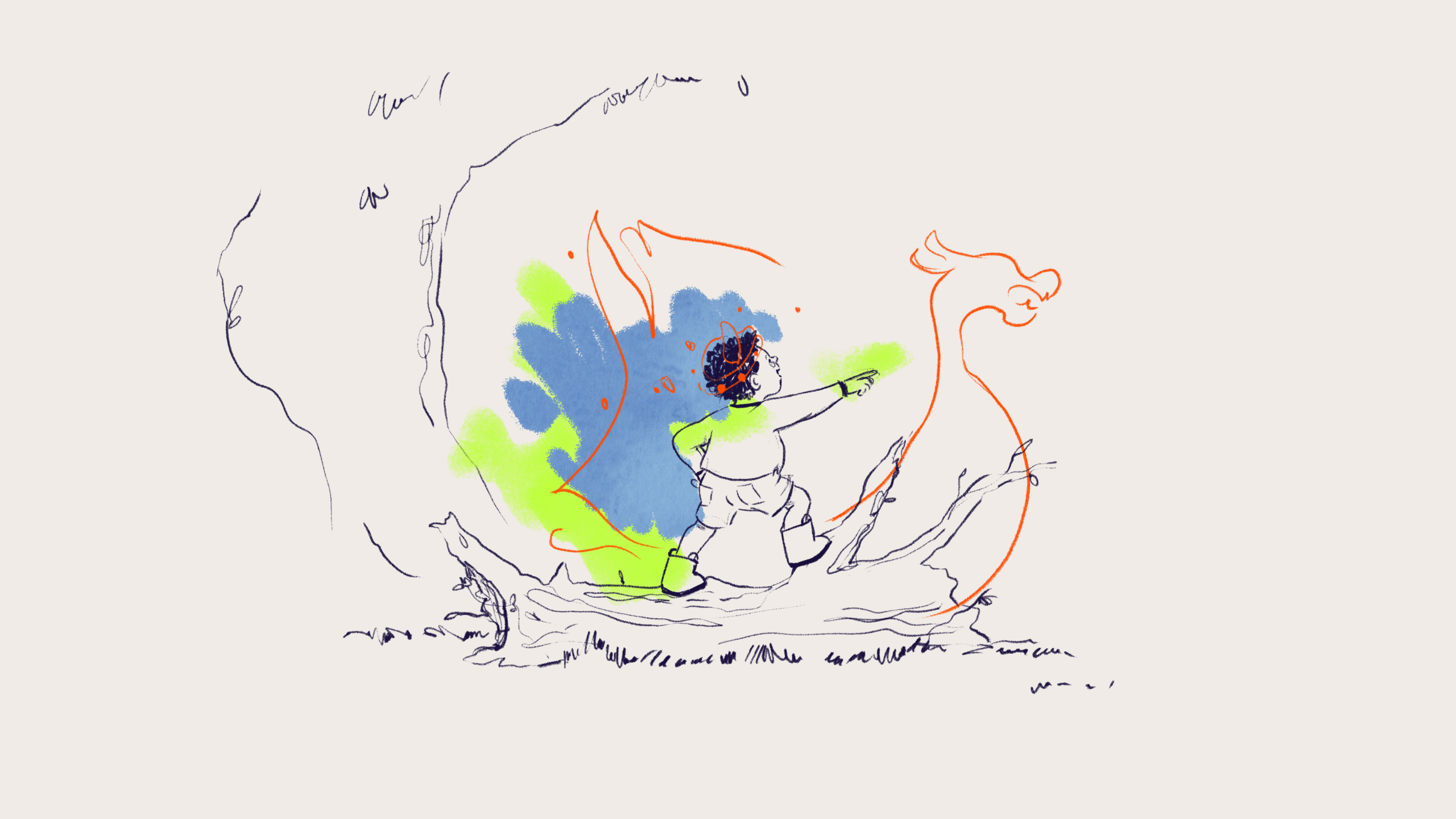
We call it three-dimensional learning. The subject is understood. The understanding is expressed. The person grows. Not one after another: all at once, as one experience. We put learning on its feet.
How does it happen?
“Everyone in education now agrees that pupil engagement matters. The government’s white paper, Every Child Achieving and Thriving, makes it one of its three central shifts: from withdrawn to engaged. What almost nobody answers is how. Creativity is the how. When children create something, they are inside the learning, not watching it. That is genuine engagement, and it is the skill their futures will demand.”
Alex Russell, CEO, Bourne Education Trust
Fold. Throw. Refine. You mastered the design cycle at six, with a paper aeroplane. Time to create again.

Every creative art is a process. Drama, music, dance and design are not just activities. They are disciplines, and each one contains a complete method for learning: discover an idea, create a form for it, and refine it until it holds. Artists use this process every day of their working lives. We use it to teach.
The method is this. Take a subject: from the curriculum, from the workplace, from life. Place it inside the creative process. Now, instead of hearing about the subject, learners work on it. They discover it, shape it, test what they have made, and refine it. The subject stops being information to remember and becomes material they have handled, with their hands, bodies and voices as well as their minds
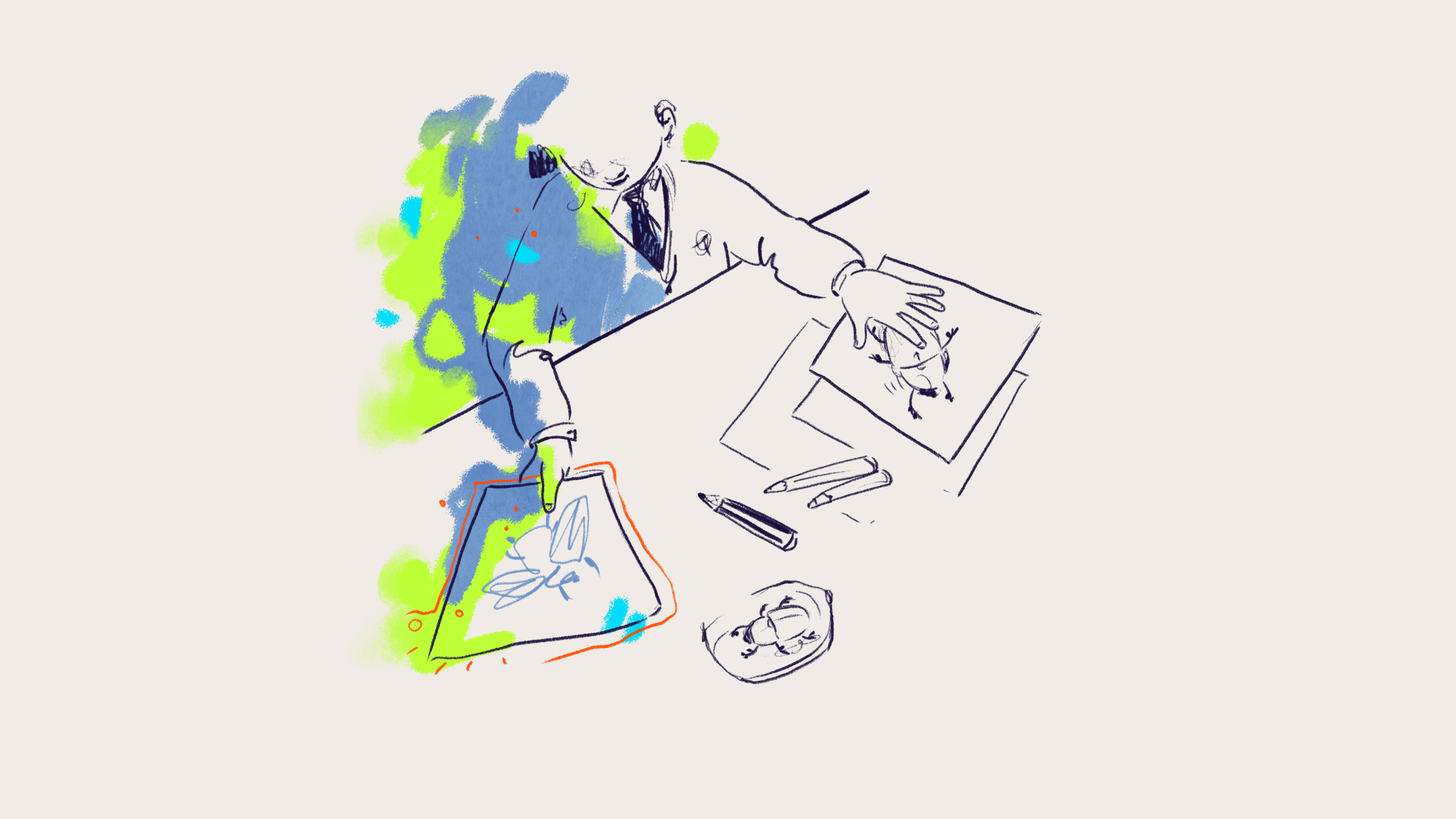
That single move changes three things.
Knowledge goes deeper. What people make, perform or build, they understand and remember, because the body and the emotions learned it alongside the mind.
Learning becomes more inclusive. Making offers many ways in. People who stay silent in conventional settings, at any age, find a way to contribute.
Future skills are built alongside knowledge. The creative process trains the habits it runs on: curiosity, collaboration, critical judgement. They are built by use, not by description.
And the timing is no accident. AI is a fundamental shift, and the answer to it is human. Now is the time to hone the skills that are ours.
The role of the educator changes with it: from delivering answers to guiding inquiry. Setting problems with more than one solution. Asking open questions. Making failure safe, as revision. Our Creative Igniters, professional artists, work alongside educators until these techniques are fully their own.
The six-stage journey
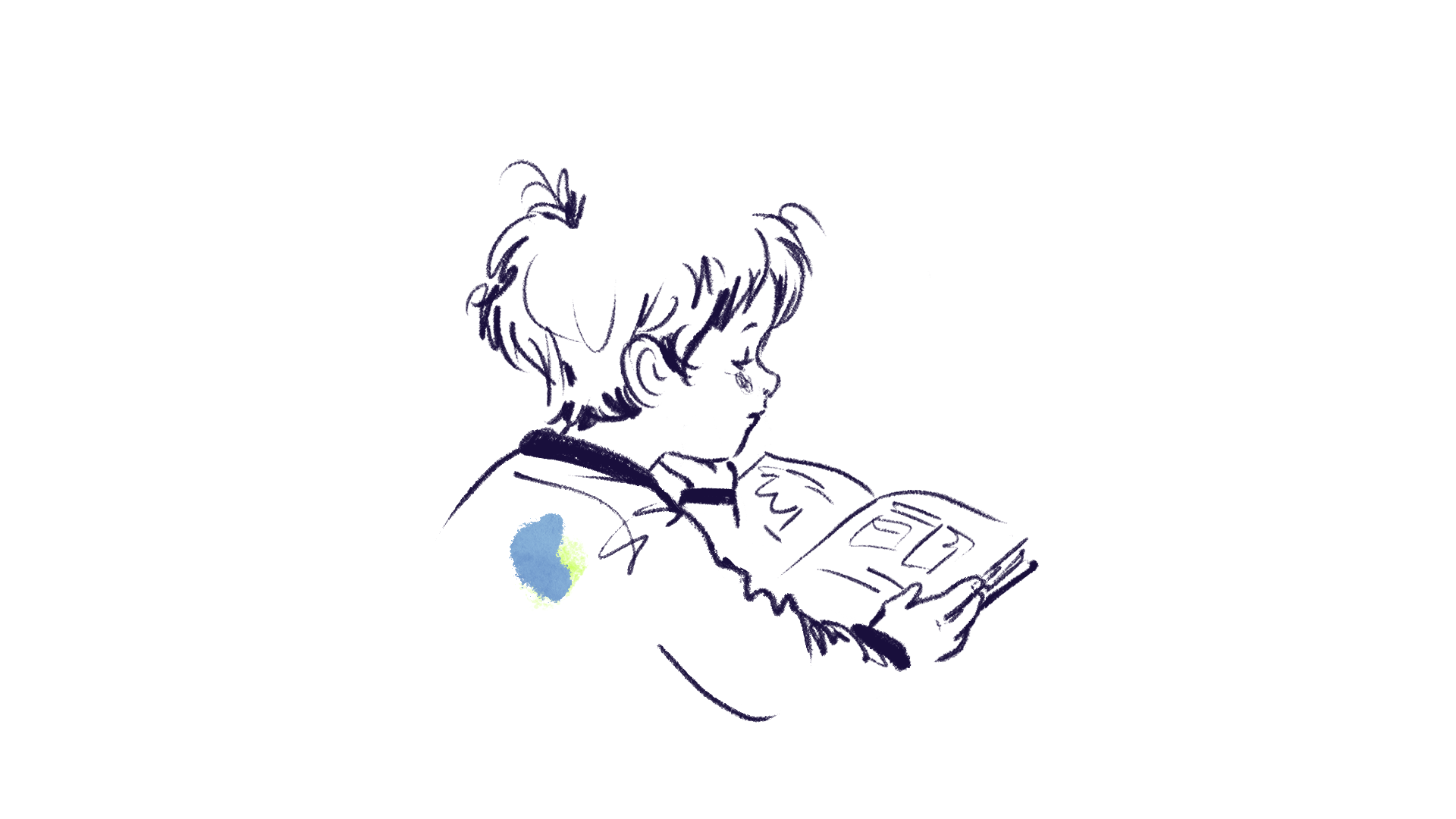

A subject arrives. From the curriculum, work or life.



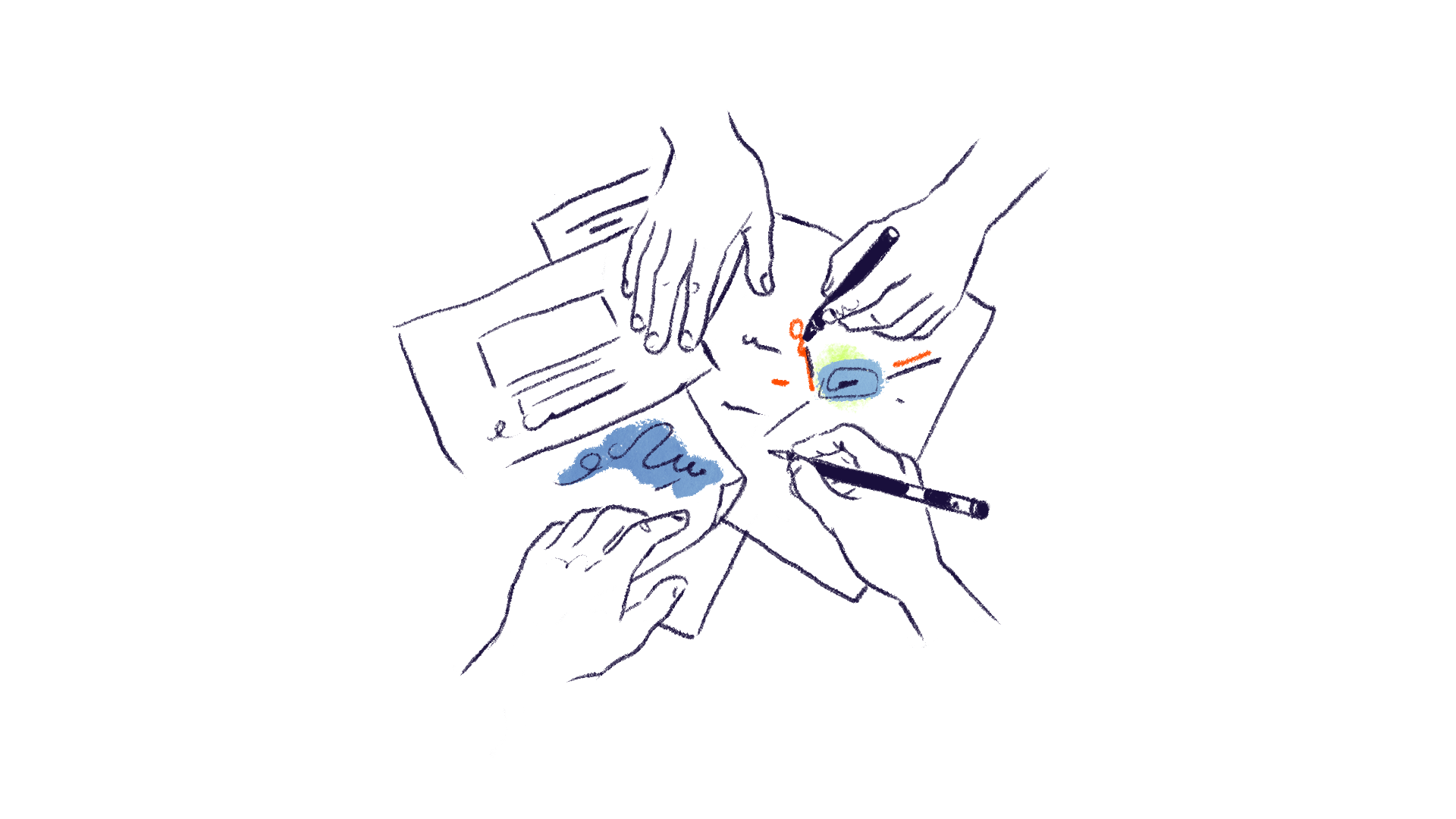

Outcomes are agreed together. The subject leads, the art serves.


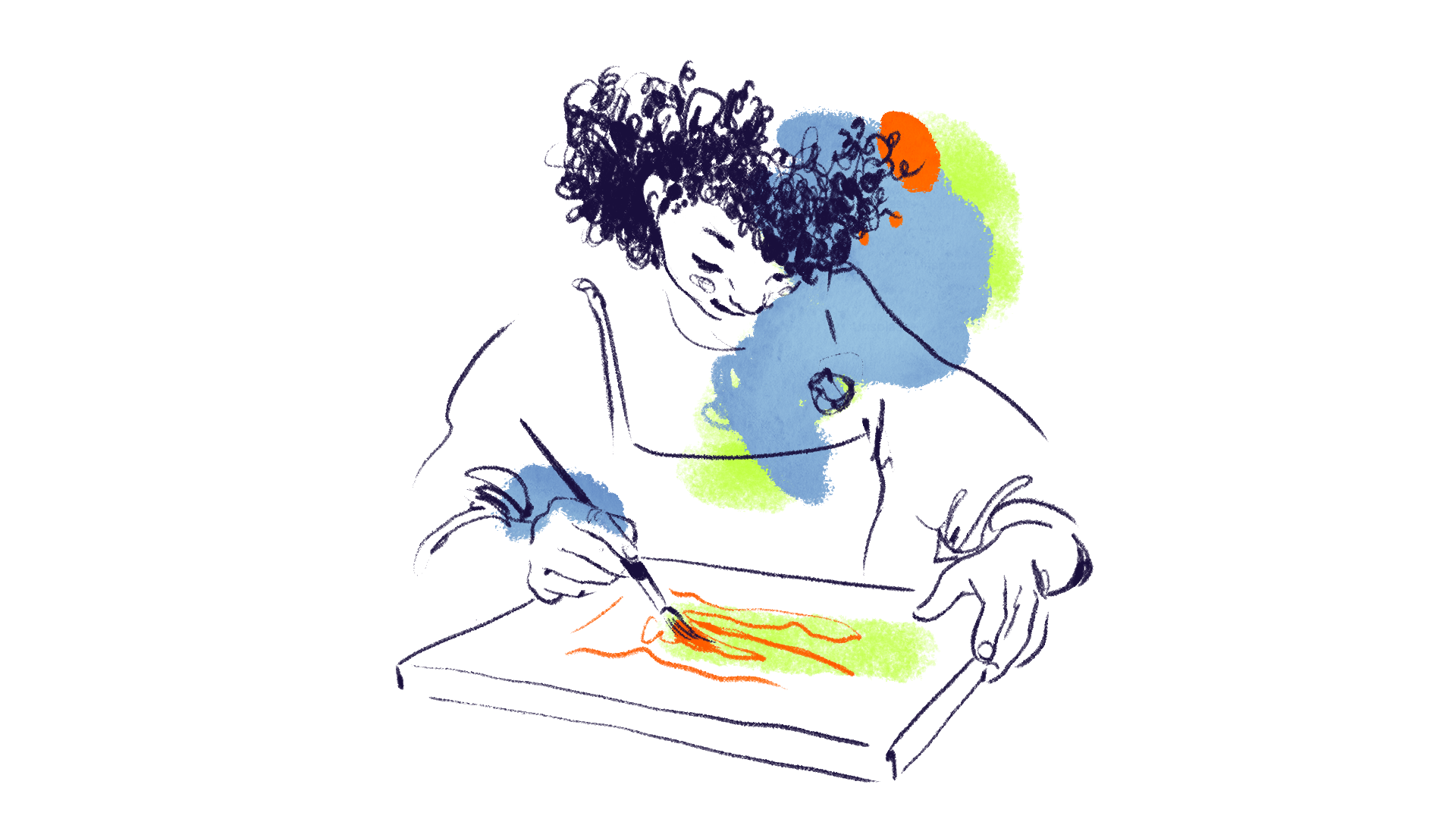

Our Creative Igniters translate it. Drama, music, movement and design.

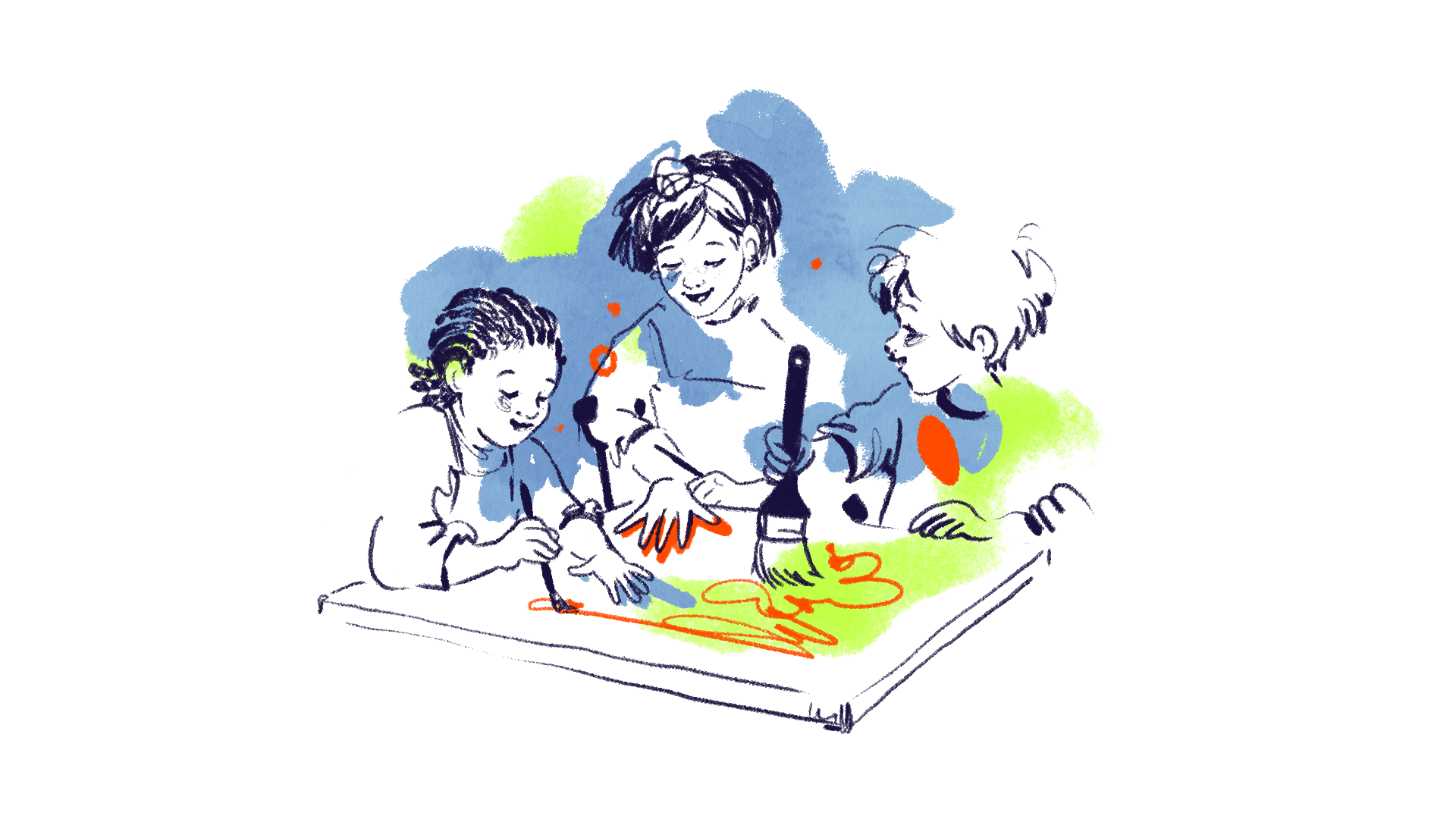

Everyone learns by making. Discover, create, refine, rework.



The work is shared. Performed, presented, exhibited.

The tools and habits stay. Yours, for your own practice.

We leave. The method stays.
Through this process, learners gain more than knowledge.

Persistence.
Imagination


Rigour.


Collaboration.


Critical judgement.

Compassionate leadership.
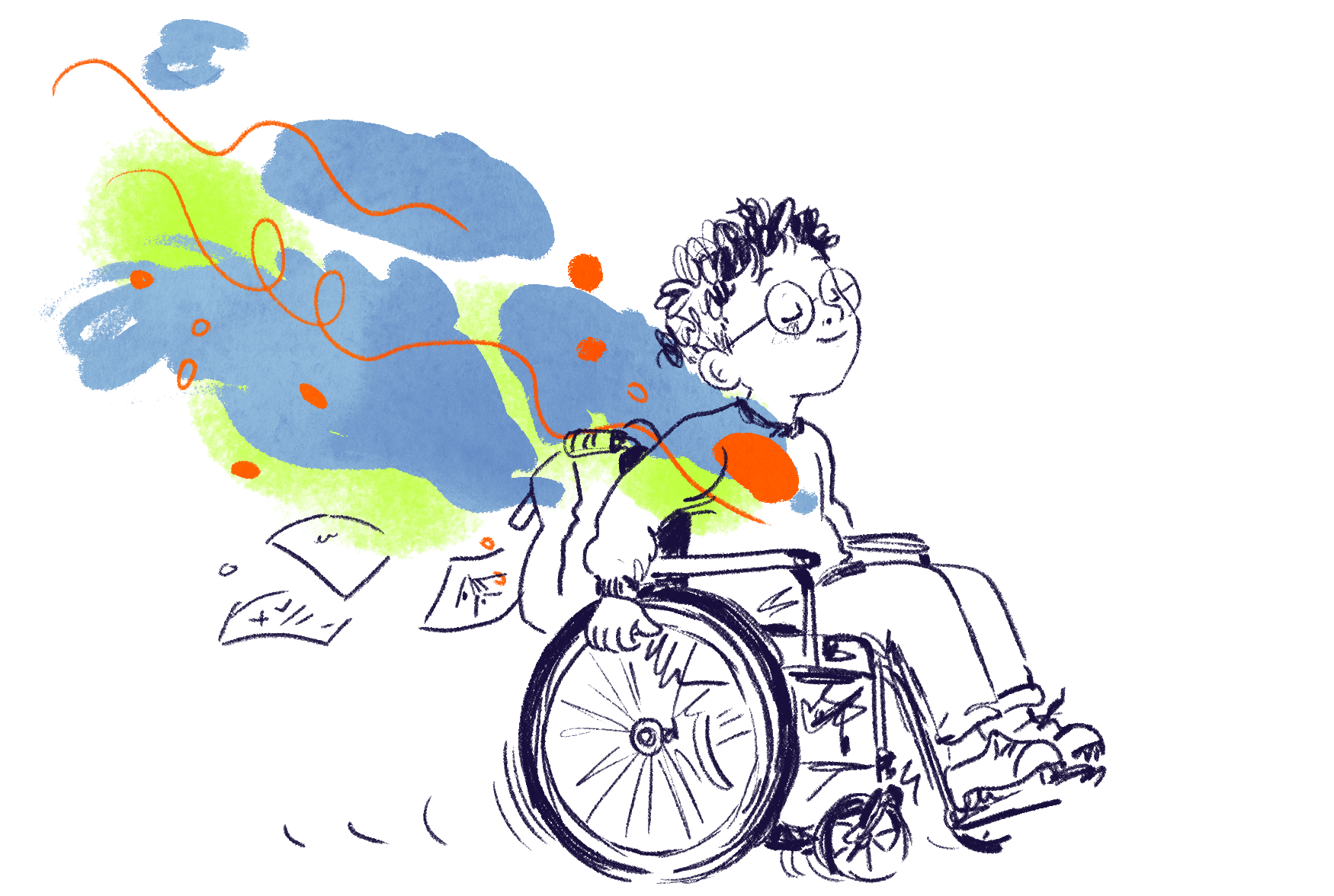
A boy in Year 5 has written hundreds of things. Stories to a prompt. Answers to a question. Sentences with a right version and a wrong one
He has never made anything that was his.

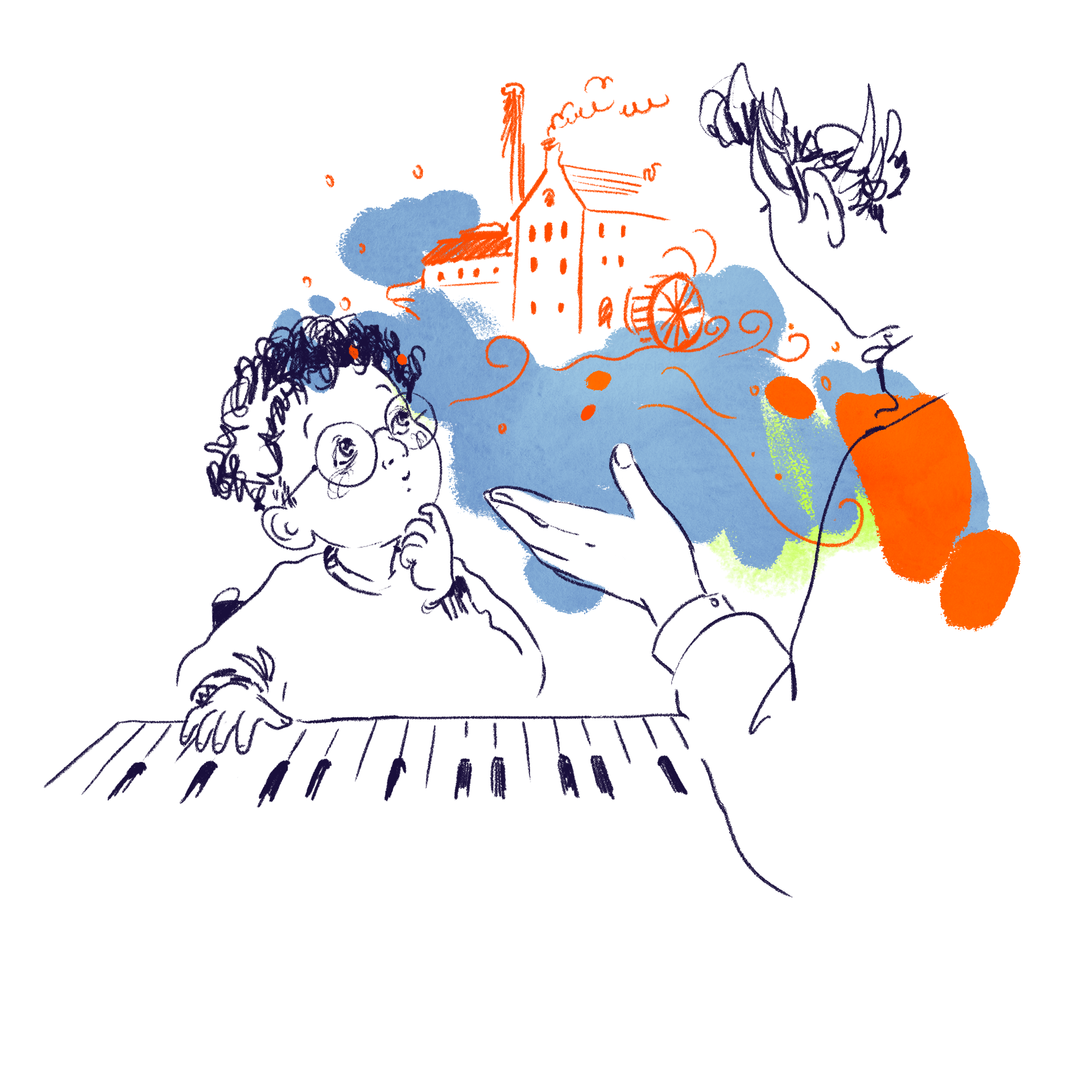
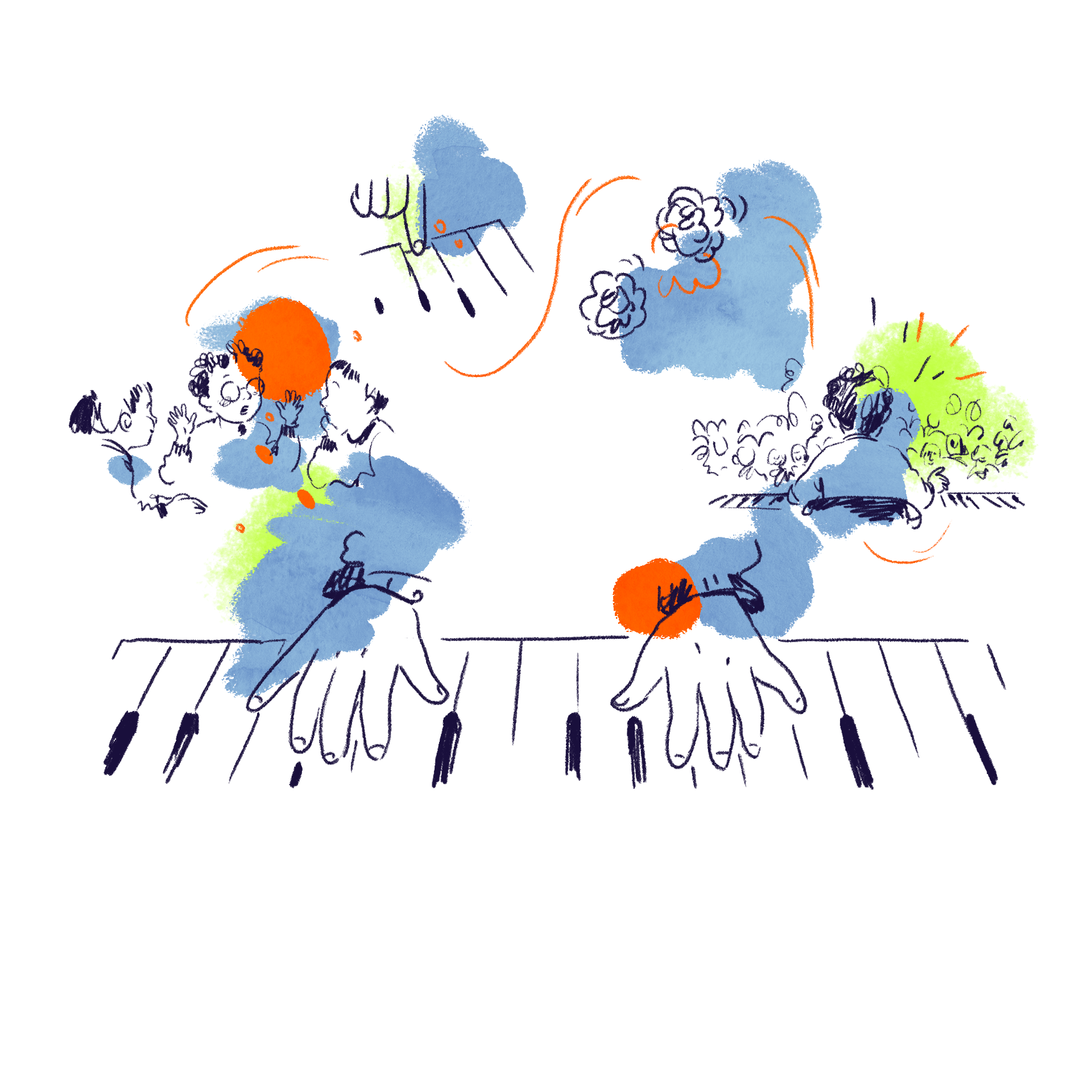
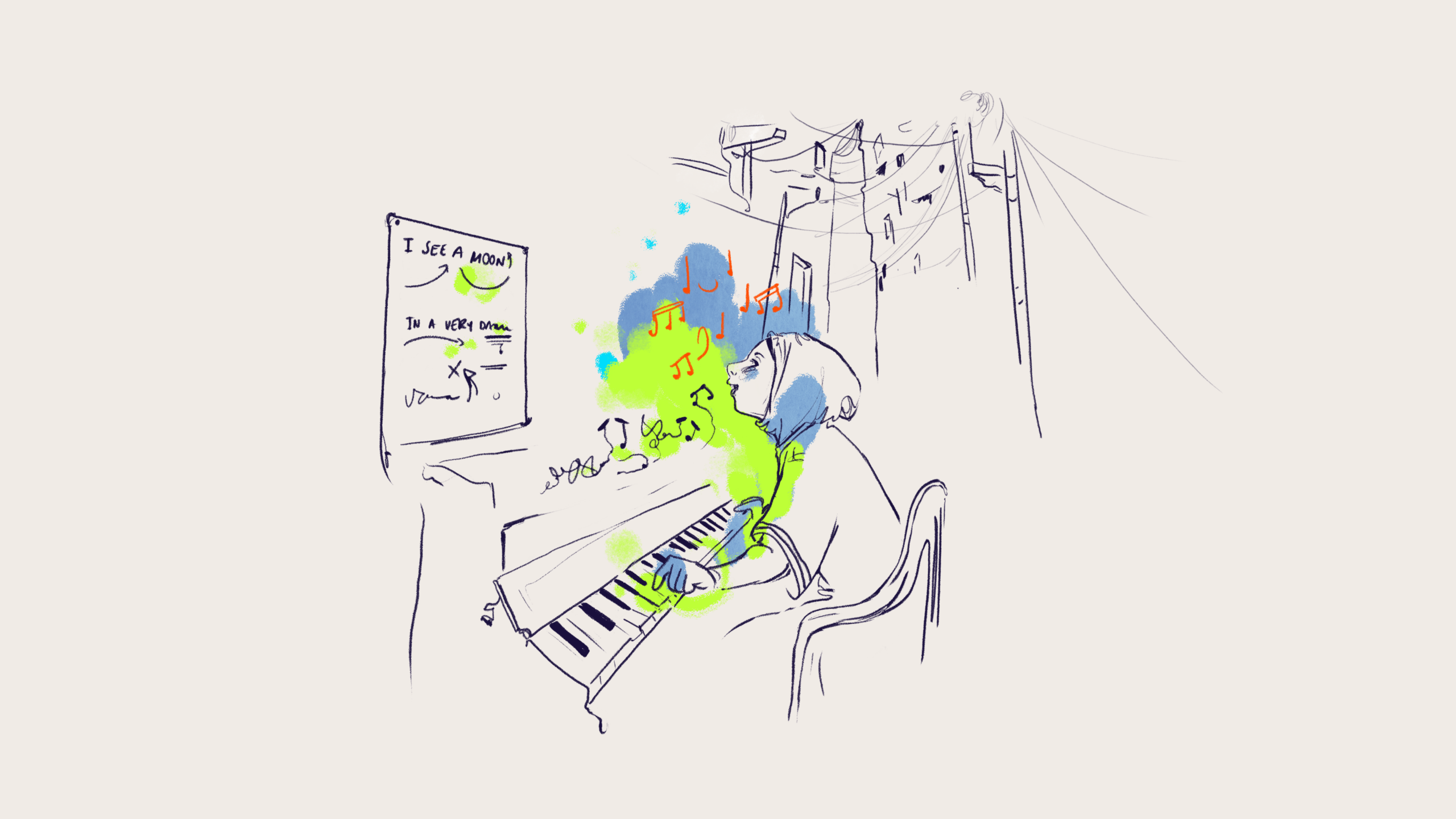
On Wednesday he is given a keyboard and a question. What did a Victorian mill sound like to a child who worked in one?
By Friday he has an answer. He has argued about it, tested it, thrown half of it away, and performed the rest to twohundred people. He used what he knew instead of repeating it.